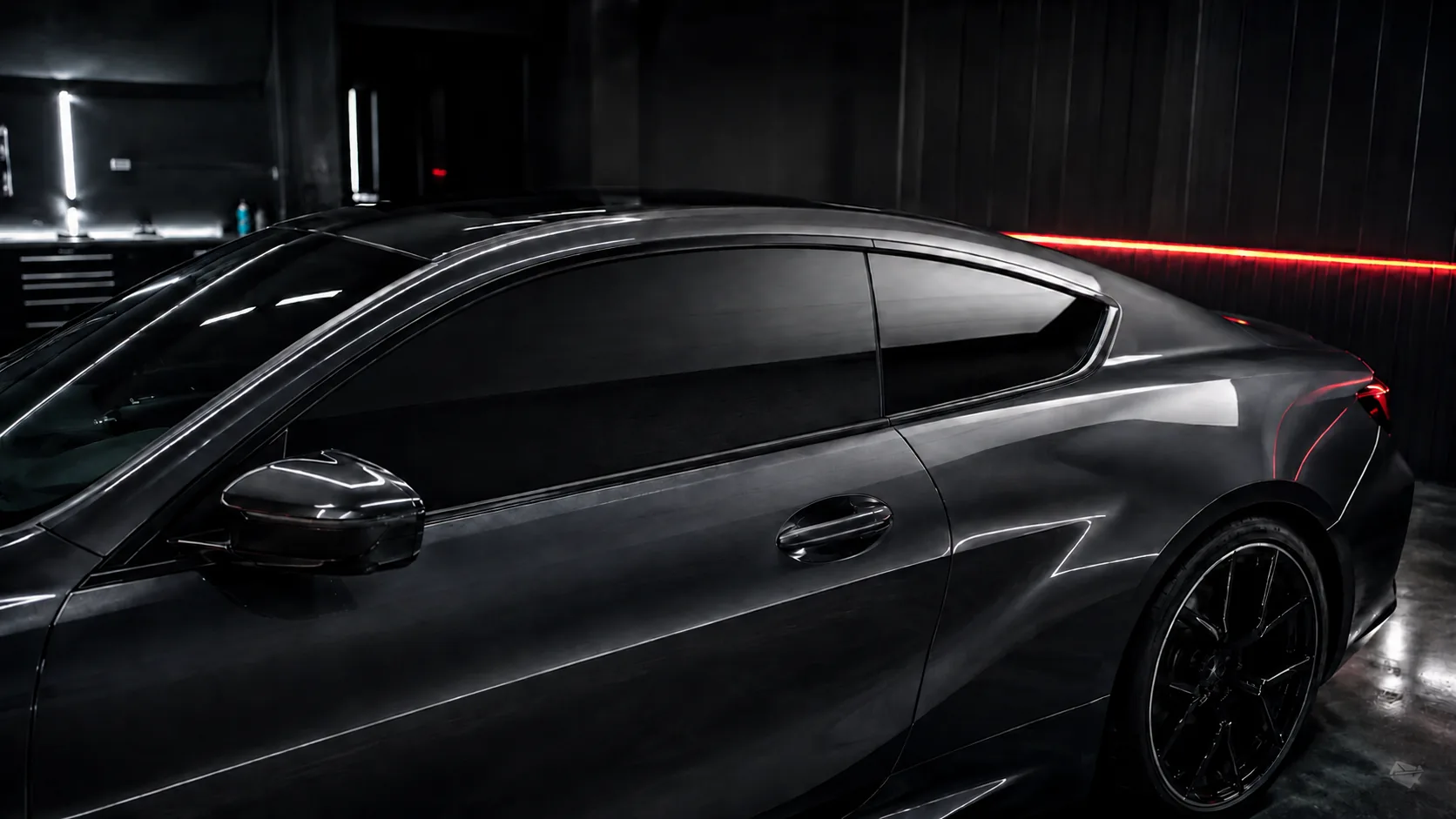
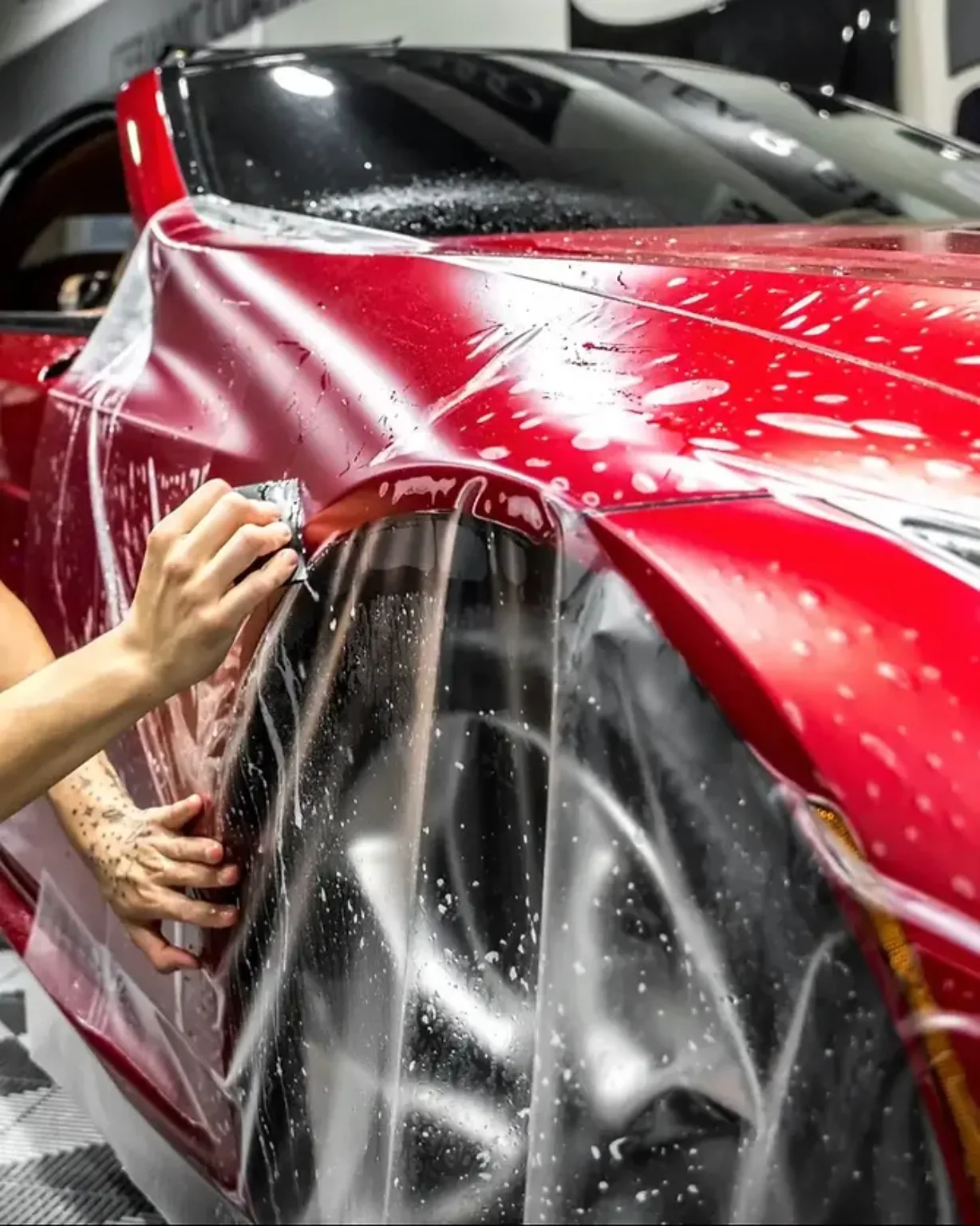
Paint protection film and vinyl wrap are often grouped together because both are applied over vehicle paint. That is where the similarity ends. PPF is built to absorb abuse; color-change vinyl is built to transform appearance.
What PPF is designed to do
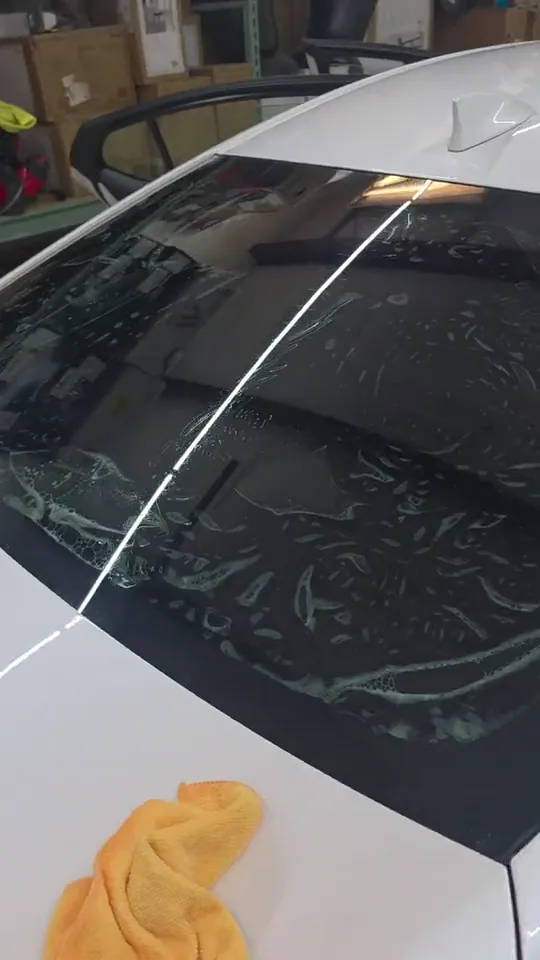
PPF is a clear urethane film made to take impacts that would otherwise reach the paint. It is commonly installed on the front bumper, hood, fenders, mirrors, rocker panels, and other high-impact areas.
For Colorado highway driving, full-front coverage is a popular choice because it protects the panels that meet rocks, sand, and winter road debris first. The film is nearly invisible when installed correctly.
What vinyl wrap is designed to do
Vinyl wrap changes the color, texture, or graphics on a vehicle without permanent paintwork. It can also provide a light sacrificial layer against small scuffs and environmental exposure, but it is much thinner than PPF and should not be treated as rock-chip armor.
Choose vinyl when the goal is a new look, commercial branding, a printed design, or a removable finish. Choose PPF when the priority is preserving paint from physical damage.
Can you use both?
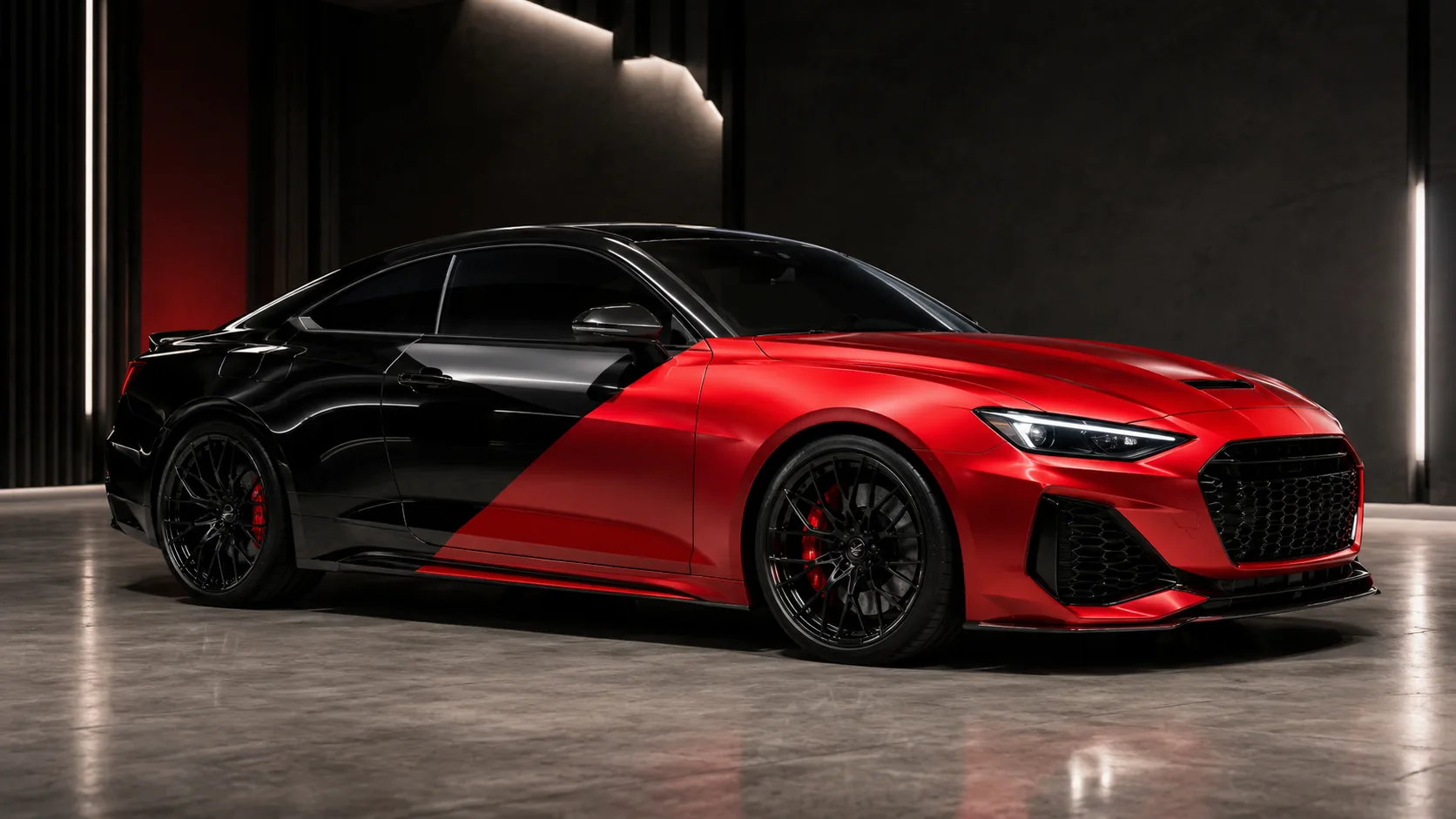
Yes. A vehicle can be wrapped for color and then protected in high-impact areas, or PPF can be used over factory paint while vinyl graphics are applied elsewhere. The exact order and material compatibility should be planned before installation.
The best setup depends on the finish, coverage, and how the vehicle is used. A weekend car, a highway commuter, and a commercial fleet vehicle each need a different strategy.
Start with the goal
If you want a visual transformation, start with vinyl. If you want to preserve the existing paint, start with PPF. If you want both, let the installer design the material stack as one complete system instead of treating them as separate afterthoughts.
Every vehicle and project is different. Call or text Wrap Supply Co. at 719-339-0953 for a recommendation based on your vehicle, goals, and budget.